

Phorid flies, also known as humpbacked flies, are small, dark-colored flies that are commonly found in homes and other indoor environments. These flies are attracted to decaying organic matter, which can include anything from food waste to dead insects. While phorid flies are not harmful to humans, they can be a nuisance and difficult to get rid of.
Controlling phorid flies requires a combination of prevention and elimination techniques. Prevention measures include keeping food and garbage in sealed containers, cleaning up spills and crumbs immediately, and regularly disposing of organic waste. Elimination techniques can include using fly traps, and insecticides, and even vacuuming up adult flies and larvae. It is important to note that eliminating phorid flies can be a time-consuming process, as it may take several weeks to fully eradicate an infestation.
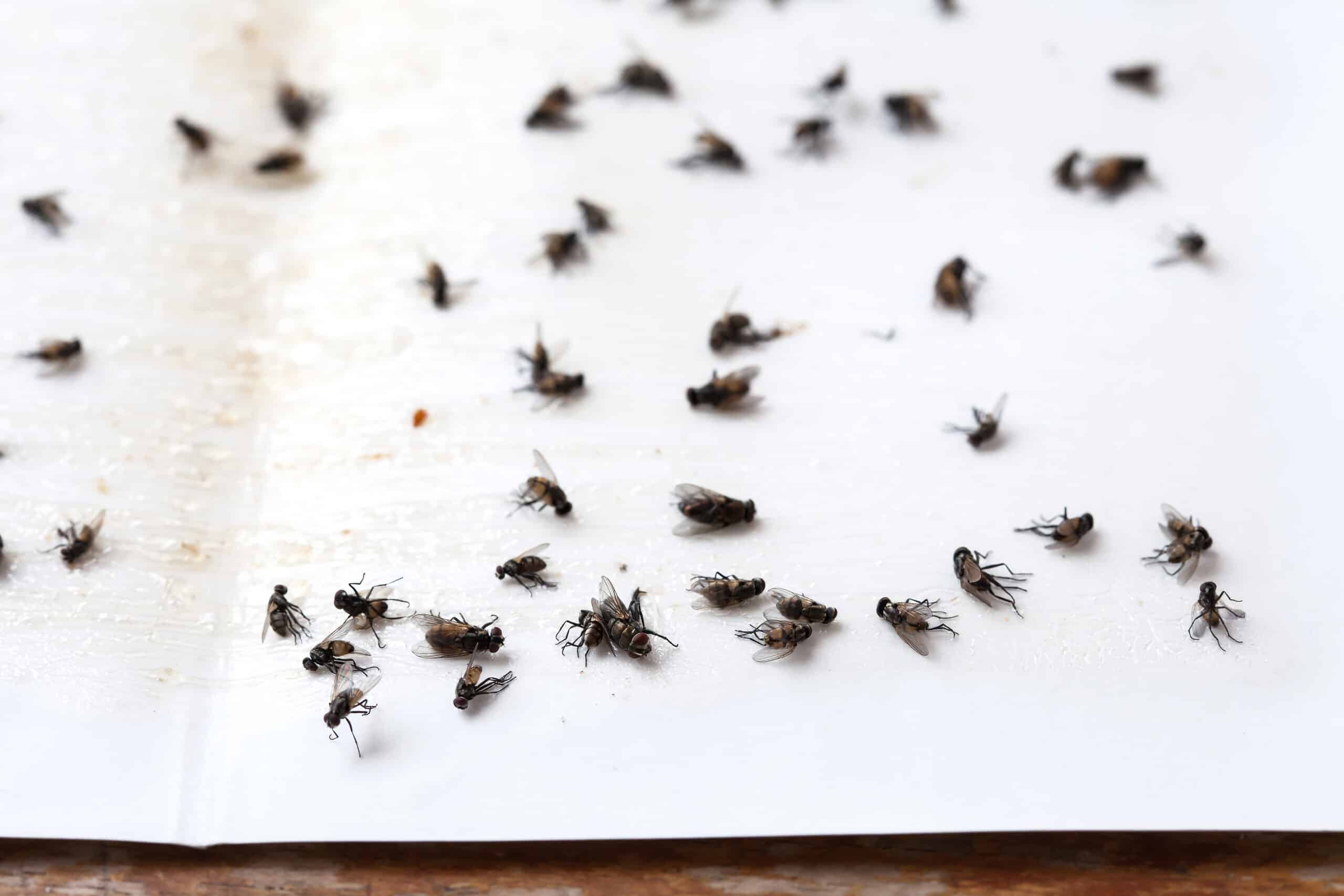
Identifying Phorid Flies
Phorid flies, also known as humpback flies, are small and belong to the family Phoridae. They are often mistaken for fruit flies or gnats due to their similar size and behavior. However, phorid flies have distinct characteristics that set them apart.
Appearance
Phorid flies are typically small, measuring between 0.5 to 5mm in length. They have a humpbacked appearance due to a thorax that is visibly arched. This feature is particularly noticeable in females. They come in different colors, including black, brown, and yellow. Some species have red eyes, but this is not a defining characteristic.
Behavior
Phorid flies are attracted to moist environments, such as drains, garbage disposals, and decaying organic matter. They are often found in bathrooms, kitchens, and other areas where food is stored or prepared. They are also known to infest dead animals, including rodents and birds.
They have a distinctive behavior of running rapidly across surfaces, rather than flying. They are weak fliers and tend to hover close to the ground. They are active during the day and night, making them difficult to catch.
Species
There are over 4,000 species of phorid flies, making it difficult to identify them without a microscope. Some of the most common species include Megaselia scalaris, commonly known as the coffin fly, and Pseudacteon curvatus, which is known for parasitizing fire ants.
In conclusion, identifying phorid flies can be challenging due to their small size and similar appearance to other common flies. However, their humpbacked appearance and distinctive behavior of running across surfaces can help distinguish them. If you suspect a phorid fly infestation, it is best to contact a pest control professional for proper identification and treatment.
The Life Cycle and Habits of Phorid Flies
Reproduction
Phorid flies reproduce quickly and in large numbers. A single female can lay up to 40 eggs at once, and she can lay several batches of eggs during her lifetime. The eggs are tiny and white, and they are usually deposited in decomposing food or other organic material. After hatching, the larvae feed on the decaying matter until they pupate and emerge as adults.
Diet
They are attracted to decomposing food and organic matter. They are often found in garbage cans, compost piles, and drains. They are also known to infest dead animals and plants. Phorid flies can carry bacteria and other harmful pathogens, making them a potential health hazard.
Habits
They are small and dark-colored and are often mistaken for fruit flies. They are commonly found indoors and outdoors, and they can be a nuisance to homeowners and businesses. Phorid flies are known for their erratic flight patterns and their tendency to run along surfaces instead of flying. They are also attracted to light and can often be found near windows and light fixtures.
They have a short life cycle, with adults living for only a few weeks. However, their rapid reproduction and attraction to decomposing food can lead to infestations if not properly controlled. Regular cleaning and proper sanitation can help prevent phorid fly infestations.
Phorid Flies Infestation
If you have noticed small flies buzzing around your home, you may have a phorid fly infestation. These tiny pests are often mistaken for fruit flies, but they are a different species altogether. They are attracted to decaying organic matter, such as rotting food or dead animals, and can quickly become a nuisance if left unchecked. In this section, we will discuss the signs of a phorid fly infestation and the problem areas in your home where they are most likely to be found.
Signs of Infestation
The first sign of a phorid fly infestation is the presence of small, dark flies in your home. They are often found hovering around drains or garbage disposals, as these areas provide a source of decaying organic matter. You may also notice them in your kitchen or bathroom, particularly if you have left food or standing water out for an extended period.
Another sign of an infestation is the presence of larvae or pupae in the affected area. Phorid fly larvae are small, white, and worm-like, and can often be found in the same areas where the adult ones are present. Pupae are slightly larger and may be visible as small, brown capsules.
Problem Areas
Phorid flies are most commonly found in areas where there is decaying organic matter. In your home, this may include your kitchen, bathroom, or basement. In the kitchen, they are often found near garbage disposals, drains, or in areas where food is stored. In the bathroom, they may be attracted to standing water in sinks or showers. In the basement, they may be found near sump pumps or in areas where moisture is present.
To prevent a phorid fly infestation, it is essential to keep your home clean and free of decaying organic matter. This includes regularly cleaning your kitchen and bathroom, disposing of garbage properly, and fixing any leaks or standing water in your home. By taking these steps, you can prevent a phorid fly infestation and keep your home free of these pesky pests.
Phorid Flies Vs Other Flies
Phorid Flies Vs Fruit Flies
Phorid flies and fruit flies are often mistaken for each other due to their small size, similar appearance, and tendency to infest food sources. However, there are some key differences between the two types of flies.
Phorid flies, also known as humpbacked flies, are typically smaller and darker in color than fruit flies. They also have a distinctive hump on their thorax, which sets them apart from other small flies. Phorid flies are attracted to decaying organic matter, such as rotting fruits and vegetables, as well as animal carcasses and sewage.
Fruit flies, on the other hand, are attracted to ripe or fermenting fruits and vegetables, as well as sugary substances like soda and juice. They are usually tan or yellow in color and have red eyes. Fruit flies are also known for their ability to reproduce quickly, which can lead to large infestations if left unchecked.
To get rid of phorid flies, it is important to identify and eliminate the source of the infestation. This may involve removing rotting fruits and vegetables, cleaning up spills and crumbs, and fixing any leaky pipes or drains that may be attracting the flies.
Phorid Flies Vs Drain Flies
Phorid flies and drain flies are both small flies that are commonly found in homes and other buildings. However, they have different habits and preferences when it comes to breeding and feeding.
Phorid flies are attracted to decaying organic matter, such as rotting fruits and vegetables, as well as animal carcasses and sewage. They are often found in drains, garbage disposals, and other areas where organic matter may accumulate.
Drain flies, on the other hand, are attracted to standing water and organic matter that has built up in drains and pipes. They are usually gray or black in color and have fuzzy wings. Drain flies are also known for their distinctive behavior of flying in a jerky, erratic manner.
To get rid of phorid flies, it is important to identify and eliminate the source of the infestation. This may involve cleaning out drains, fixing leaky pipes, and removing any decaying organic matter that may be attracting the flies. For drain flies, it may be necessary to use a drain cleaner or other specialized product to eliminate the breeding site.
Preventing Phorid Flies Infestation
They are a common household pest that can be difficult to get rid of once they have infested your home. However, there are steps you can take to prevent an infestation from occurring in the first place.
Home Sanitation
Keeping your home clean and free of food debris is the first step in preventing a phorid fly infestation. Regularly clean your kitchen and dining areas, wiping down counters and tables and sweeping or vacuuming floors. Be sure to clean up any spills or crumbs immediately and dispose of them in a sealed plastic bag.
Plumbing Repair
Phorid flies are attracted to damp areas, so it is important to repair any leaky pipes or faucets in your home. Check under sinks and around toilets for any signs of moisture and repair any leaks as soon as possible.
Proper Storage of Food
Phorid flies are attracted to fruits and vegetables, so it is important to store them properly. Keep fruits and vegetables in sealed plastic containers or in the refrigerator. Be sure to also properly seal any opened packages of food, such as cereal or crackers, and store them in airtight containers.
By following these simple steps, you can help prevent a phorid fly infestation in your home. Regular cleaning and maintenance, along with proper storage of food, can go a long way in keeping these pesky pests at bay.
Treatment of Phorid Flies Infestation
They can be a nuisance when they infest a home or business. Fortunately, there are several treatment options available to control their population. In this section, we will discuss three main types of treatments: Pesticides and Insecticides, Biological Control Agents, and Fly Traps.
Pesticides and Insecticides
Pesticides and insecticides are chemical treatments that can be used to kill phorid flies. These products typically contain ingredients such as pyrethroids, organophosphates, or carbamates. They can be applied as sprays, baits, or foggers. However, it is important to note that these products can be harmful to humans and pets, so it is essential to follow the instructions carefully.
When choosing a pesticide or insecticide, look for products that are specifically labeled for phorid fly control. Some common products include:
- Cy-Kick CS
- Maxforce Fly Spot Bait
- PT Alpine Pressurized Fly Bait
Biological Control Agents
Biological control agents are natural enemies of phorid flies that can be used to control their population. These agents include parasitic wasps, predatory mites, and nematodes. They work by attacking the phorid fly larvae or pupae, preventing them from developing into adults.
Biological control agents are typically safer than pesticides and insecticides, but they may not be as effective in controlling a large infestation. Some popular biological control agents for phorid flies include:
- Aphidoletes aphidimyza
- Dalotia coriaria
- Steinernema feltiae
Fly Traps
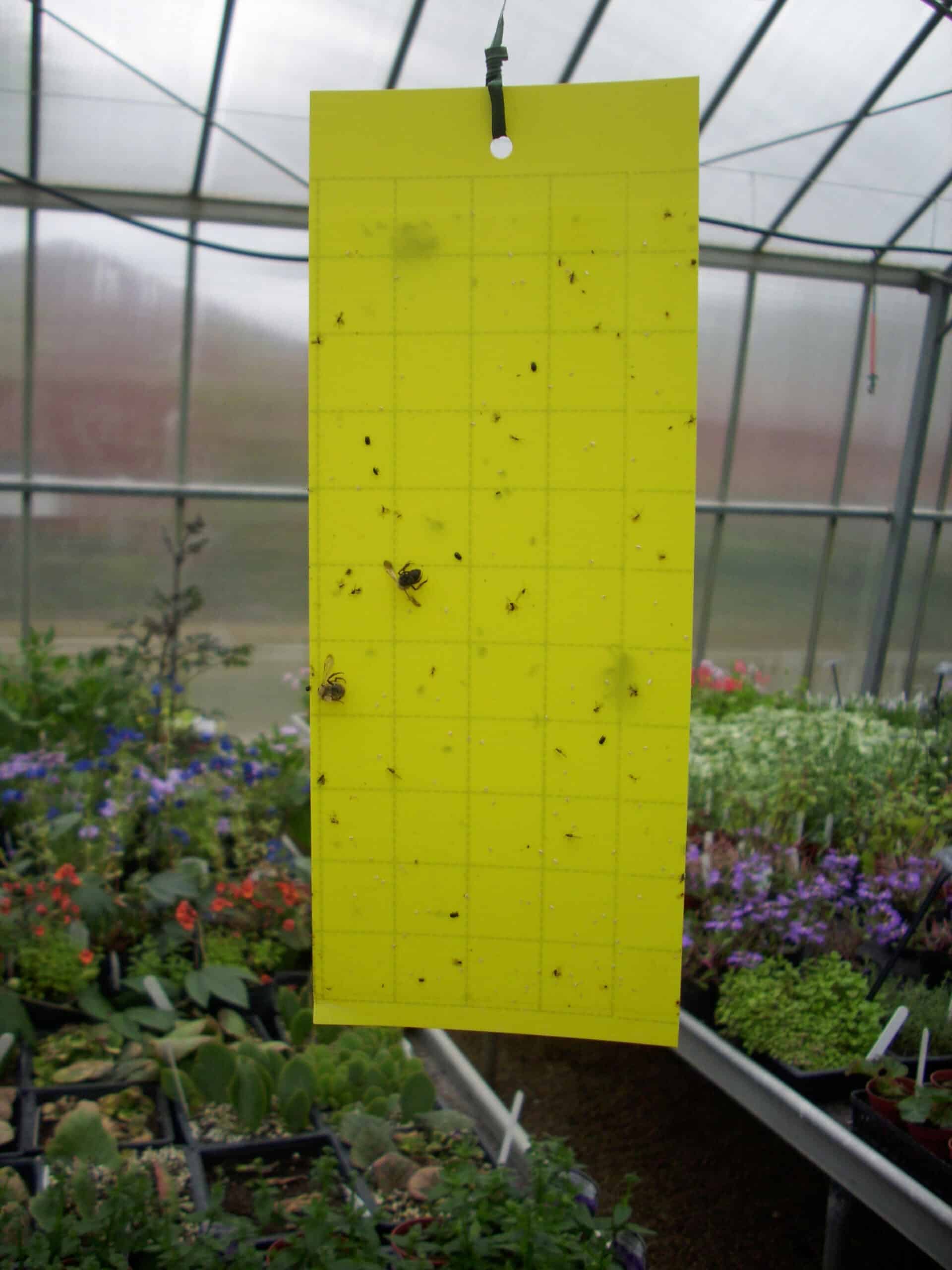
Fly traps are devices that attract and trap phorid flies. There are several types of fly traps available, including sticky fly traps, light traps, and bug zappers.
Sticky fly traps are adhesive strips or cards that are placed in areas where phorid flies are present. They work by trapping the flies on the sticky surface. Light traps use ultraviolet light to attract phorid flies, which are then trapped in a container. Bug zappers use an electric grid to kill phorid flies when they come into contact with it.
When using fly traps, it is important to place them in areas where phorid flies are likely to be present, such as near drains or garbage cans.
In summary, there are several treatment options available for phorid fly control, including pesticides and insecticides, biological control agents, and fly traps. It is important to choose the right treatment for your situation and to follow the instructions carefully to ensure effective control of the infestation.
Professional Help
If you have tried all the DIY methods and still have a phorid fly infestation, it may be time to call in the professionals. Pest control companies have the experience, tools, and knowledge to effectively eliminate these pesky flies.
When choosing a pest control company, it is important to do your research and choose a reputable business. Look for companies that are licensed, insured, and have good reviews from previous customers. You can also check with your local Better Business Bureau to see if there have been any complaints against the company.
Once you have chosen a pest control company, they will typically start with an inspection to determine the extent of the infestation and the best course of action. They may use a combination of methods, including insecticides, baits, and traps, to eliminate the flies.
It is important to follow the instructions of the pest control company and take any necessary precautions, such as vacating the premises during treatment. They may also provide recommendations for preventing future infestations, such as fixing any moisture problems or sealing up entry points.
Overall, professional help can be a reliable and effective solution for getting rid of phorid flies. By choosing a reputable pest control company and following their instructions, you can regain control of your home or business and prevent future infestations.
Frequently Asked Questions
How do I get rid of phorid flies permanently?
Getting rid of phorid flies permanently requires identifying and eliminating the source of the infestation. This may involve locating and removing decaying organic matter, such as food waste or dead animals, from your home. You can also use insecticides or traps to control adult flies. However, it is important to note that phorid flies can quickly reproduce and re-infest an area if the source of the infestation is not addressed.
Why are there so many phorid flies in my house?
Phorid flies are attracted to decaying organic matter, such as food waste or dead animals. If you have an infestation of phorid flies in your house, it is likely that there is a source of decaying organic matter that is attracting them. This could be a forgotten piece of fruit in the kitchen or a dead rodent in the attic.
Why can't I get rid of phorid flies?
Getting rid of phorid flies can be difficult because they reproduce quickly and are attracted to decaying organic matter, which can be difficult to locate and eliminate. Additionally, phorid flies are small and can easily slip through screens and other barriers, making it difficult to prevent them from entering your home.
Do phorid flies go away on their own?
Phorid flies will not go away on their own unless the source of the infestation is eliminated. Adult flies may die off naturally, but new flies will continue to emerge from the source of the infestation until it is addressed.
How did I get phorid humpbacked flies?
Phorid humpbacked flies are attracted to decaying organic matter and can enter your home through small cracks and openings. They may also be brought into your home on fruits or vegetables that are already infested. In large numbers, they can also be unpleasant and difficult to control.