

Hornet nests can be a serious problem for homeowners. These nests can be dangerous, especially for those who are allergic to hornet stings. Removing a hornet nest can be a difficult and dangerous task, and it is important to take the necessary precautions to avoid injury.
There are several methods for removing hornet nests, including using insecticide sprays, vacuuming, and physically removing the nest. Insecticide sprays are a common method for removing hornet nests, but they can be dangerous if not used properly. Vacuuming the nest is another option, but it can be difficult to do without disturbing the hornets and causing them to attack. Physically removing the nest is the most effective method, but it should only be done by a professional who has the necessary equipment and expertise.
Understanding Hornets and Wasps
Hornets and wasps are flying insects that belong to the order Hymenoptera. They are known for their painful stings and are often feared by people. However, it is important to understand these insects and their behavior to avoid getting stung.
Hornets
Hornets are a type of wasp that are typically larger than other wasps. They are characterized by their large size, brown or black color, and distinct markings. There are several species of hornets, including the European hornet, bald-faced hornet, and Asian giant hornet.
The European hornet is commonly found in North America and is known for its aggressive behavior. The bald-faced hornet is also found in North America and is known for building large, paper nests. The Asian giant hornet is found in Asia and is the largest species of hornet, with some individuals reaching up to 2 inches in length.
Wasps
Wasps are a diverse group of insects that come in many shapes and sizes. They are typically slender and have a narrow waist. There are several species of wasps, including yellow jackets and paper wasps.
Yellow jackets are a type of wasp that are known for their aggressive behavior and painful stings. They are typically black and yellow in color and are often found in nests in the ground. Paper wasps are also a type of wasp and are known for building nests out of paper. They are typically brown or black in color and are less aggressive than yellow jackets.
Sting
Both hornets and wasps are known for their painful stings. When a hornet or wasp stings, it injects venom into the skin, which can cause pain, swelling, and redness. In some cases, people may have an allergic reaction to the venom, which can cause more severe symptoms.
It is important to avoid disturbing hornet and wasp nests to avoid getting stung. If you do get stung, remove the stinger as soon as possible and clean the area with soap and water. Applying a cold compress can help reduce pain and swelling.
In conclusion, understanding the behavior and characteristics of hornets and wasps can help you avoid getting stung. It is important to be cautious around these insects and to seek medical attention if you have an allergic reaction to a sting.
Identifying Hornet and Wasp Nests
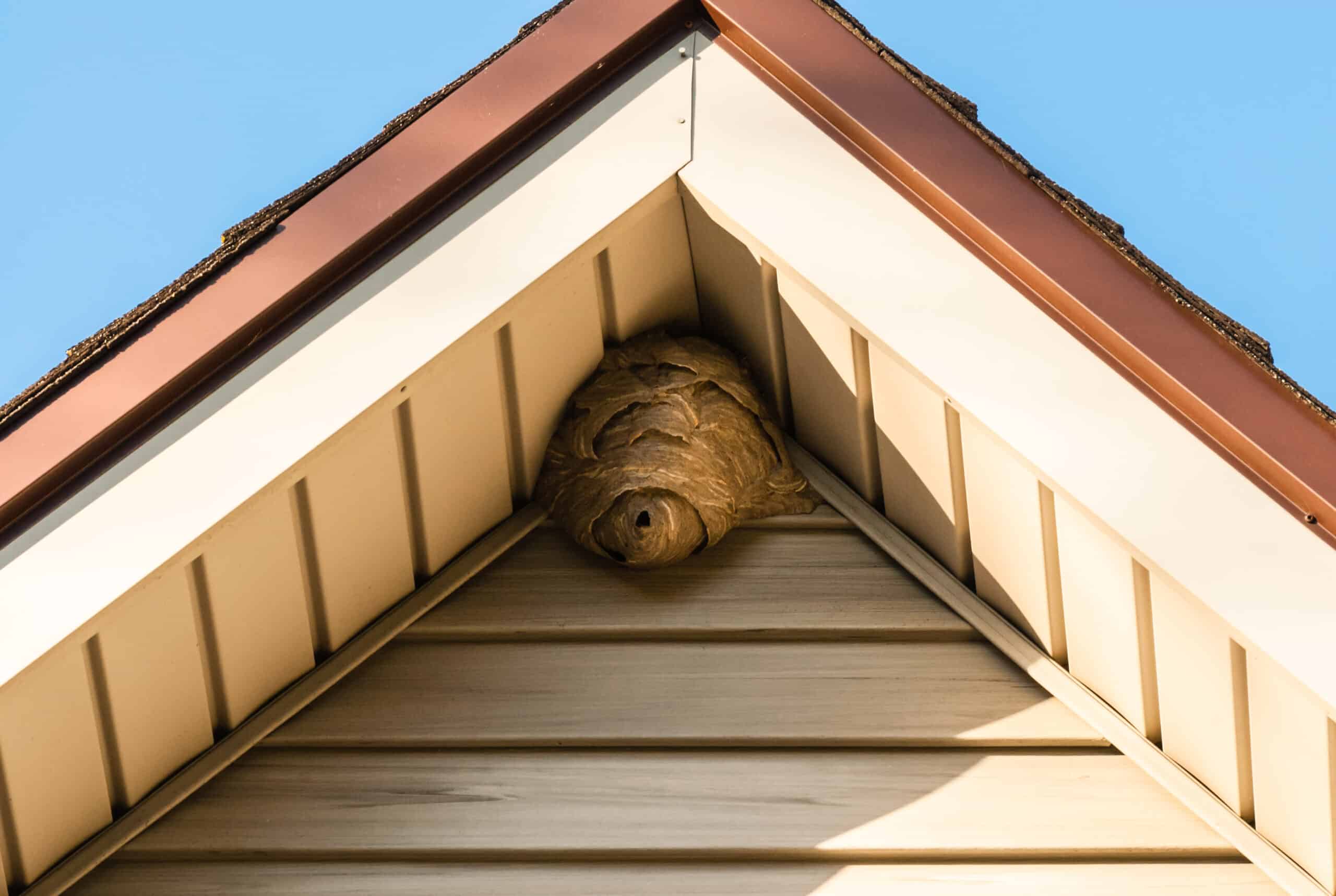
Hornet and wasp nests can be found in a variety of locations, including trees, bushes, and the eaves of homes. It is important to identify these nests early on to prevent stings and damage to property. Here are a few tips for identifying hornet and wasp nests:
- Look for nests in areas with high activity: Hornets and wasps are social insects that live in colonies. If you see a lot of hornet or wasp activity in a particular area, there may be a nest nearby.
- Look for openings: Hornets and wasps usually build their nests in protected areas, such as under eaves or in tree hollows. Look for openings that may lead to a nest.
- Look for nests: Hornets’ nests are usually made of paper-like material and can be found in trees or on the sides of buildings. Wasp nests are often made of mud and can be found under eaves or in other protected areas.
- Listen for buzzing: If you hear a lot of buzzing in a particular area, there may be a nest nearby.
It is important to note that hornets and wasps can be very aggressive if they feel threatened, so it is best to leave nest removal to a professional. Attempting to remove a nest on your own can result in stings and other injuries. If you do need to have a nest removed, be sure to locate the nest and provide this information to the professional for safe removal.
The Risks of Hornets and Wasps
Hornets and wasps are commonly found in many areas and can pose a significant risk to humans. These insects are known for their aggressive behavior and painful stings, which can be dangerous, especially for those who are allergic. In this section, we will discuss the risks associated with hornets and wasps.
Sting and Pain
Hornets and wasps are equipped with a stinger that they use to defend themselves. When threatened, they can sting multiple times, which can be extremely painful. The pain caused by a hornet or wasp sting can range from mild to severe, depending on the individual's sensitivity and the number of stings.
Aggressive and Attack
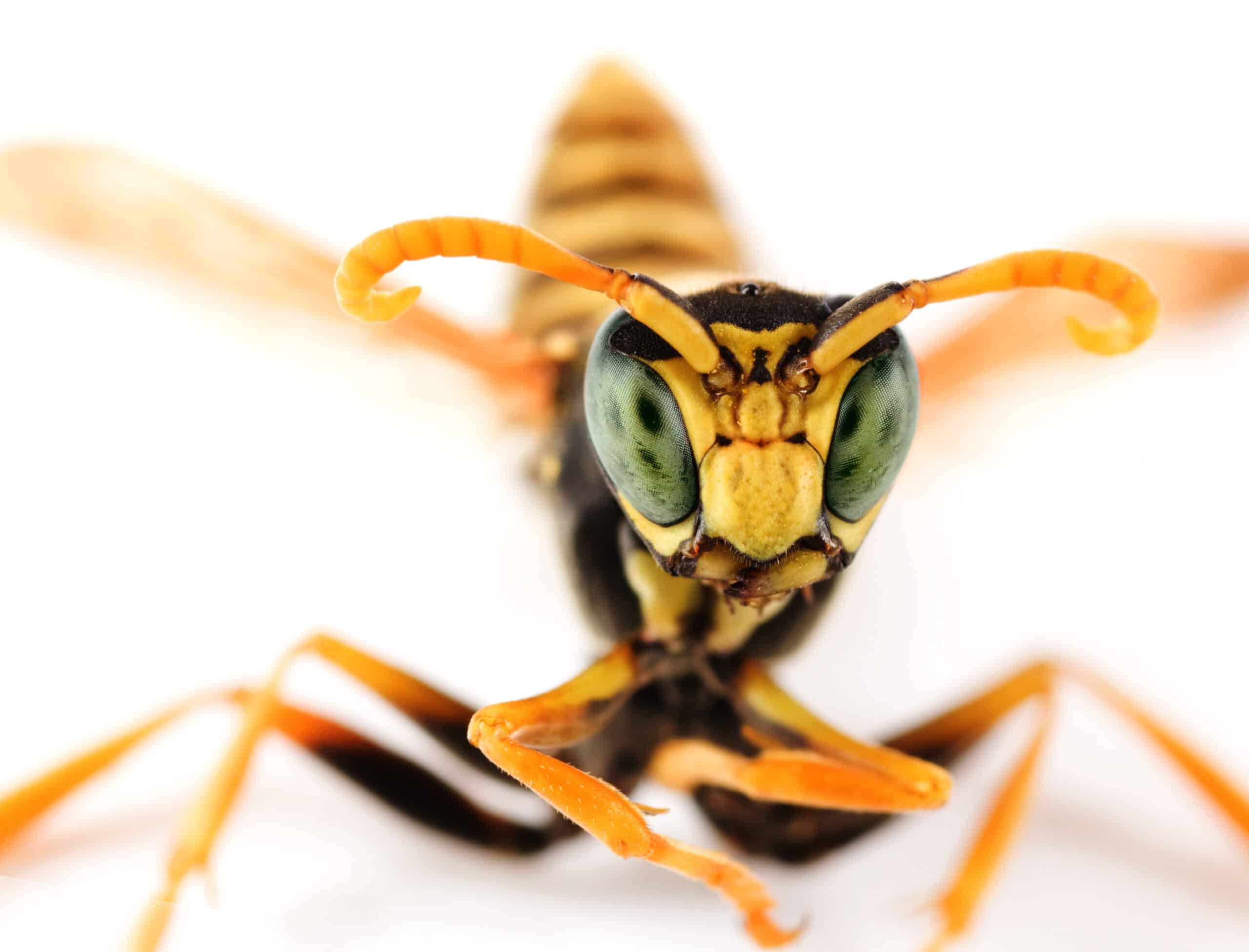
Hornets and wasps are known for their aggressive behavior, especially when their nests are disturbed. They can attack in large numbers, making it difficult for individuals to escape. It is essential to keep a safe distance from hornet and wasp nests to avoid provoking them.
Allergic Reactions
Some individuals are allergic to hornet and wasp stings, which can lead to severe allergic reactions. Symptoms of an allergic reaction can include difficulty breathing, swelling, and hives. In severe cases, anaphylaxis can occur, which can be life-threatening and requires immediate medical attention.
Danger
Hornets and wasps can be dangerous, especially when they are disturbed. It is essential to take precautions when dealing with hornet and wasp nests to avoid getting stung. If you notice a hornet or wasp nest on your property, it is best to call a professional pest control company to remove it safely.
In conclusion, hornets and wasps can pose a significant risk to humans. Their aggressive behavior, painful stings, and potential for allergic reactions make them dangerous. It is essential to take precautions when dealing with hornet and wasp nests to avoid provoking them and getting stung.
Safety Measures for Hornet Nest Removal
Removing a hornet nest can be a dangerous task. It is important to take safety measures to protect yourself from getting stung. Here are some safety measures to consider when removing a hornet nest:
Wear Protective Clothing
Wearing protective clothing is crucial when removing a hornet nest. It is recommended to wear a long-sleeved shirt, long pants, gloves, and boots. The clothing should be thick enough to prevent the hornets' stingers from penetrating the fabric. It is also recommended to wear a hat with a veil or netting to protect your face and neck from hornet stings.
Use Protective Gear
In addition to protective clothing, it is important to use protective gear when removing a hornet nest. A bee suit or a hornet suit can provide full-body protection. It is also recommended to wear goggles to protect your eyes from flying hornets.
Plan Ahead
Before removing a hornet's nest, it is important to plan ahead. Make sure to have an escape route in case the hornets become aggressive. It is also important to have a first-aid kit on hand in case of an emergency.
Work at Night
Hornets are less active at night, making it a safer time to remove a nest. Make sure to use a flashlight to see what you are doing. It is also recommended to use red light, as hornets cannot see red light.
Seek Professional Help
If you are unsure about removing a hornet nest, it is recommended to seek professional help. Professional pest control services have the necessary equipment and experience to safely remove a hornet nest.
By following these safety measures, you can safely remove a hornet nest without getting stung. Remember to always prioritize safety when dealing with hornets.
When to Remove a Hornet Nest
Hornet nests can be a nuisance and a potential danger to humans and animals. However, it is important to know when it is appropriate to remove a hornet nest to avoid unnecessary harm to the environment and wildlife.
During Summer
Summer is the peak season for hornets, and it is when they are most active. If you notice a hornet nest during this time, it is best to have it removed as soon as possible to prevent the hornets from becoming aggressive and potentially attacking humans or pets.
During Fall
Fall is the time when hornets start to become less active and begin to die off. If you notice a hornet nest during this time, it may be best to wait until the winter months to remove it. This will ensure that all the hornets have died and the nest is no longer active.
During Winter
Winter is the best time to remove a hornet's nest as they are dormant during this time. It is important to note that if you remove a nest during the winter months, you should do so carefully to avoid damaging the environment or harming any wildlife that may be using the nest for shelter.
At Night
It is best to remove a hornet nest at night when the hornets are less active and less likely to attack. Additionally, the cooler temperatures at night make the hornets less aggressive, making it safer to remove the nest.
In summary, the best time to remove a hornet nest depends on the season and time of day. It is important to be knowledgeable about the behavior of hornets and their nests to ensure safe and effective removal.
Tools and Materials for Hornet Nest Removal
When it comes to hornet nest removal, having the right tools and materials is essential. Here are some of the most common items you'll need:
Spray
Spray is one of the most effective tools for hornet nest removal. A good quality insecticide spray can quickly kill the hornets, making it easier to remove the nest. Look for sprays that are specifically designed for hornets and their nests.
Bag
A bag is a useful tool for capturing the hornets and their nest. Once you have sprayed the nest and killed the hornets, you can use a bag to carefully remove the nest without disturbing it. Be sure to wear protective clothing and gloves when handling the bag.
Flashlight
A flashlight is essential for hornet nest removal, especially if the nest is located in a dark area. A good quality flashlight will help you to see the nest and any hornets that may be lurking around it.
Aerosol
An aerosol can be a useful tool for hornet nest removal, especially if the nest is located in a hard-to-reach area. Aerosols can be sprayed from a distance, allowing you to treat the nest without getting too close to it.
Ladders
If the hornet nest is located high up, you will need a ladder to reach it. Be sure to use a sturdy ladder and have someone hold it steady while you work.
Dusts
Dusts can be an effective tool for hornet nest removal, especially if the nest is located in a wall or other enclosed space. Look for dusts that are specifically designed for hornets and their nests.
Insecticide Spray
Insecticide spray can be used to kill the hornets and their nest. Look for sprays that are specifically designed for hornets and their nests.
Trash Bag
A trash bag can be a useful tool for hornet nest removal. Once you have removed the nest, you can use a trash bag to dispose of it safely and hygienically.
In conclusion, having the right tools and materials is essential for hornet nest removal. Be sure to use the appropriate tools and follow all safety precautions to ensure a successful removal.
Steps for DIY Hornet Nest Removal
Removing a hornet nest can be a daunting task, but with the right plan and treatment, it can be done safely and effectively. Here are the steps you can follow for a successful DIY hornet nest removal:
- Identify the nest location and target the hornets: Before you start the removal process, locate the nest and observe the hornets' activity. If possible, wait until dusk or dawn when the hornets are less active and easier to target.
- Seal the area: Once you have identified the nest, seal the surrounding area. Use duct tape or plastic sheeting to cover any openings or holes that could allow the hornets to escape or enter the area.
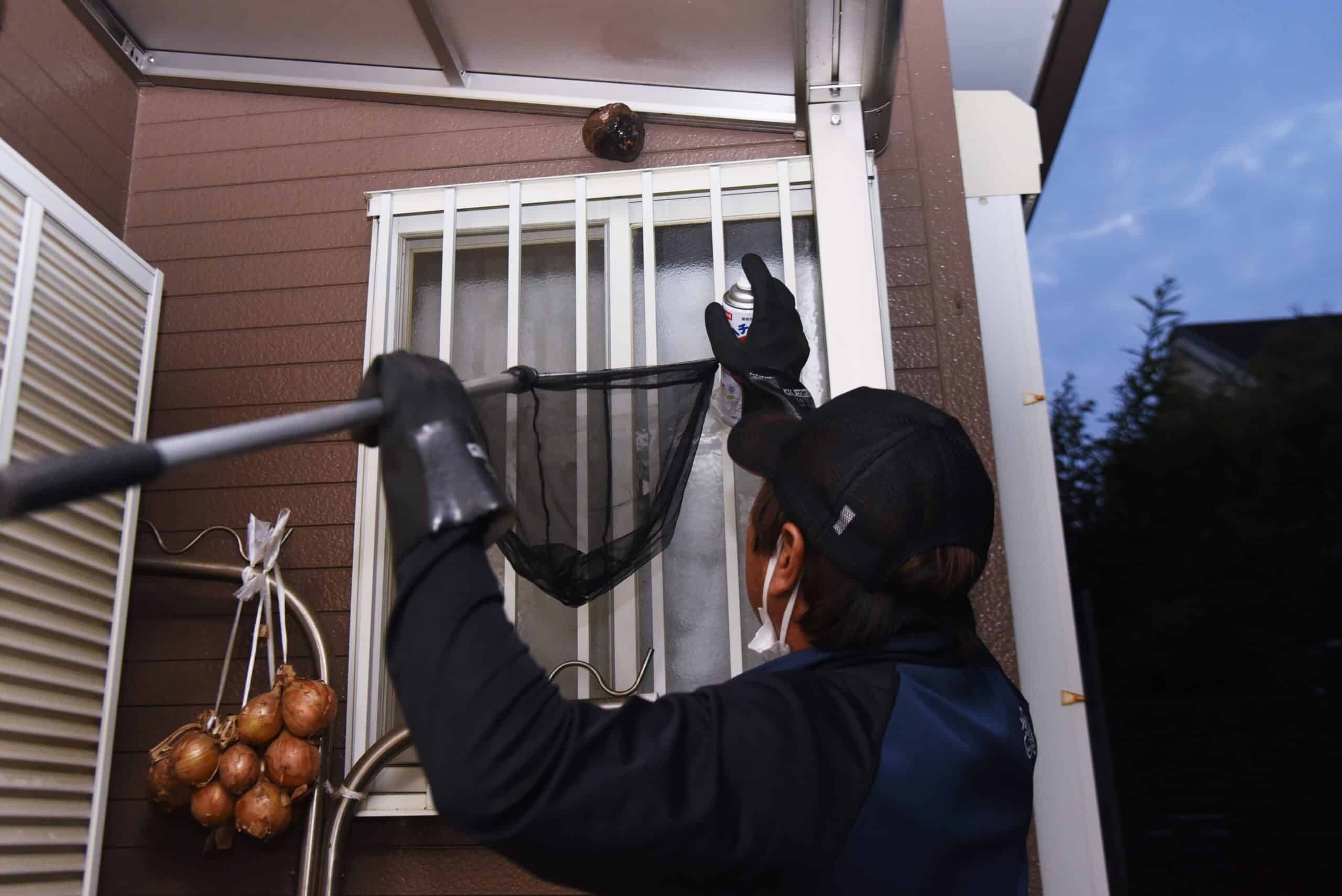
- Plan your approach: Before you start removing the nest, plan your approach. Wear protective clothing, including a beekeeper suit, gloves, and a face shield. Make sure you have the necessary tools, such as a long-handled pruning saw, a dustbin, and a flashlight.
- Eliminate the hornets: Spray the nest with hornet spray or dust. Wait for a few hours or overnight to ensure that all the hornets are dead. Avoid using water or other liquids, as they can agitate the hornets and make them more aggressive.
- Remove the nest: Once the hornets are dead, remove the nest by cutting it down with a long-handled pruning saw. Place the nest in a dustbin or plastic bag and dispose of it properly.
Remember, hornet nest removal can be dangerous, and it's always best to consult a professional if you're unsure about your ability to do it yourself. With these steps, you can safely and effectively remove a hornet nest on your own.
Dealing with Hornets and Wasps Around the Home
Hornets and wasps can be a nuisance around the home, especially during the summer months. These pests can sting, which can be painful and even dangerous for those who are allergic. Here are some tips for dealing with hornets and wasps around your home:
Home
To prevent hornets and wasps from entering your home, make sure all doors and windows are properly sealed. Check for any gaps or cracks that may allow these pests to enter. Also, consider installing screens on windows and doors to keep them out.
Food
Hornets and wasps are attracted to food, so it's important to keep all food sources properly stored and sealed. This includes pet food, garbage, and outdoor eating spaces. Make sure to clean up any spills or crumbs immediately to prevent these pests from being attracted to your home.
Doors
Hornets and wasps may build nests near doors, which can be dangerous for those entering or exiting the home. If you notice a nest near a door, do not attempt to remove it yourself. Instead, contact a professional pest control service to safely remove the nest.
Landscaping
Hornets and wasps may build nests in trees, bushes, and other landscaping features around your home. If you notice a nest, do not attempt to remove it yourself. Instead, contact a professional pest control service to safely remove the nest.
Garbage cans
Hornets and wasps are attracted to garbage, so it's important to keep all garbage cans properly sealed. Make sure to dispose of garbage regularly to prevent these pests from being attracted to your home.
Outdoor eating spaces
Hornets and wasps may be attracted to outdoor eating spaces, especially if there is food present. Consider using a mosquito net or other protective covering to keep these pests away from your outdoor eating area.
By following these tips, you can help prevent hornets and wasps from being a nuisance around your home. If you do notice a nest, it's important to contact a professional pest control service to safely remove it.
Professional Hornet Nest Removal
When dealing with a hornet nest on your property, it is important to consider hiring a professional for safe and effective removal. Experts in hornet nest removal, such as exterminators from Orkin or Terminix, have the knowledge and experience to handle the situation safely and efficiently.
Pest control services that specialize in hornet nest removal will typically begin by identifying the type of hornet and the location of the nest. This information will help them determine the best approach for removal. Some hornet species, such as the bald-faced hornet, build their nests in trees or bushes, while others, like the European hornet, may build their nests in attics or wall voids.
Once the location and type of hornet have been identified, professionals will use specialized equipment and protective gear to safely remove the nest. The cost of hornet nest removal can vary depending on the location and size of the nest, as well as the extent of the infestation.
It is important to note that attempting to remove a hornet nest on your own can be dangerous and should be avoided. Professional hornet nest removal services are equipped to handle the job safely and effectively, ensuring the safety of you and your property.
Post-Removal Measures
After successfully removing a hornet nest, it is important to take certain post-removal measures to ensure that the hornets do not return. Here are some things you can do:
Seal any cracks or openings
Inspect the area where the nest was located and seal any cracks or openings that could allow hornets to enter. Use caulk or foam to seal gaps around windows, doors, and vents. This will prevent future hornet nests from being built in the same location.
Dispose of the nest properly
Dispose of the nest properly to prevent any remaining hornets from returning. Wear protective clothing and use a plastic bag to remove the nest. Seal the bag tightly and dispose of it in the trash. Do not burn the nest or leave it lying around, as this could attract other pests.
Apply insecticide
Apply an insecticide to the area where the nest was located to kill any remaining hornets. Follow the instructions on the label carefully and wear protective clothing. Be sure to apply the insecticide in a well-ventilated area and keep children and pets away from the area until the product has dried.
Monitor the area
Monitor the area where the nest was located for several days after removal. Check for any signs of hornet activity, such as buzzing or flying insects. If you notice any hornets, repeat the removal process or contact a professional pest control service.
By following these post-removal measures, you can ensure that your home or property remains hornet-free. Remember to always take precautions when dealing with hornets, and seek professional help if necessary.
Preventing Future Infestations
Preventing future hornet infestations is a crucial step to avoid the nuisance and danger of having a hornet nest around your home. Here are a few tips to help you prevent future infestations:
Range
Be aware of the range of hornets in your area. Some hornet species have a larger range than others, and knowing the range can help you determine the likelihood of a future infestation.
Traps
Consider using traps to catch hornets before they build a nest. Traps can be effective in reducing the number of hornets in your area, but they may not be sufficient to prevent an infestation.
Water
Eliminate sources of standing water around your home. Hornets are attracted to water and may build a nest near a water source.
Fruit
Remove any overripe or rotting fruit from your yard. Hornets are attracted to sweet smells and may be attracted to fruit that is left out.
Wood
Avoid using untreated wood around your home. Certain types of wood, such as cedar, are less attractive to hornets and may reduce the likelihood of an infestation.
Infestation
If you have had a hornet nest removed from your property, be sure to properly clean the area to remove any remaining pheromones. These pheromones can attract other hornets to the area.
Pollinators
Be mindful of the impact of hornet removal on pollinators. Hornets are important pollinators, and removing a nest can have unintended consequences for other insects and plants in your area.
By following these tips, you can help prevent future hornet infestations and keep your home and family safe.
Frequently Asked Questions
How can I safely remove a hornet's nest from my property?
Removing a hornet's nest can be dangerous and should be done by a professional. If you decide to remove the nest yourself, it is important to wear protective clothing, including long sleeves and pants, gloves, and a face mask. You should also use an insecticide specifically designed for hornets and follow the instructions carefully.
Are there any natural methods for getting rid of hornets?
There are some natural methods for getting rid of hornets, such as using a mixture of vinegar and water or hanging a fake hornet's nest to deter them from building a nest in the area. However, these methods may not be effective in all cases and it is best to consult a professional for safe and effective removal.
Is it possible to remove a hornet's nest from inside a wall?
Yes, it is possible to remove a hornet's nest from inside a wall, but it can be difficult and dangerous. It is important to hire a professional with experience in removing nests from walls to ensure the safety of both the homeowner and the technician.
What are the risks of removing a hornet's nest myself?
Removing a hornet's nest yourself can be dangerous and may result in serious injury or even death. Hornets can become aggressive when their nest is threatened, and their stings can cause severe allergic reactions. It is recommended to hire a professional for safe and effective removal.
When is the best time to remove a hornet's nest?
The best time to remove a hornet's nest is in the evening or early morning when the hornets are less active. This will reduce the risk of being stung and increase the chances of successfully removing the nest.
Will hornets return after their nest has been destroyed?
Hornets may return to the same location to build a new nest if the conditions are favorable. It is important to take preventative measures, such as sealing up any openings in your home and removing potential food sources, to discourage hornets from returning.